_
_
Generative AI is flexible but unreliable, while code-based theorem provers are always correct but hard to use. By combining the strengths of each, my research group and I are creating a system to automatically optimize and clarify formal proofs, along with other tools and infrastructure to assist mathematicians.
Check out the preprint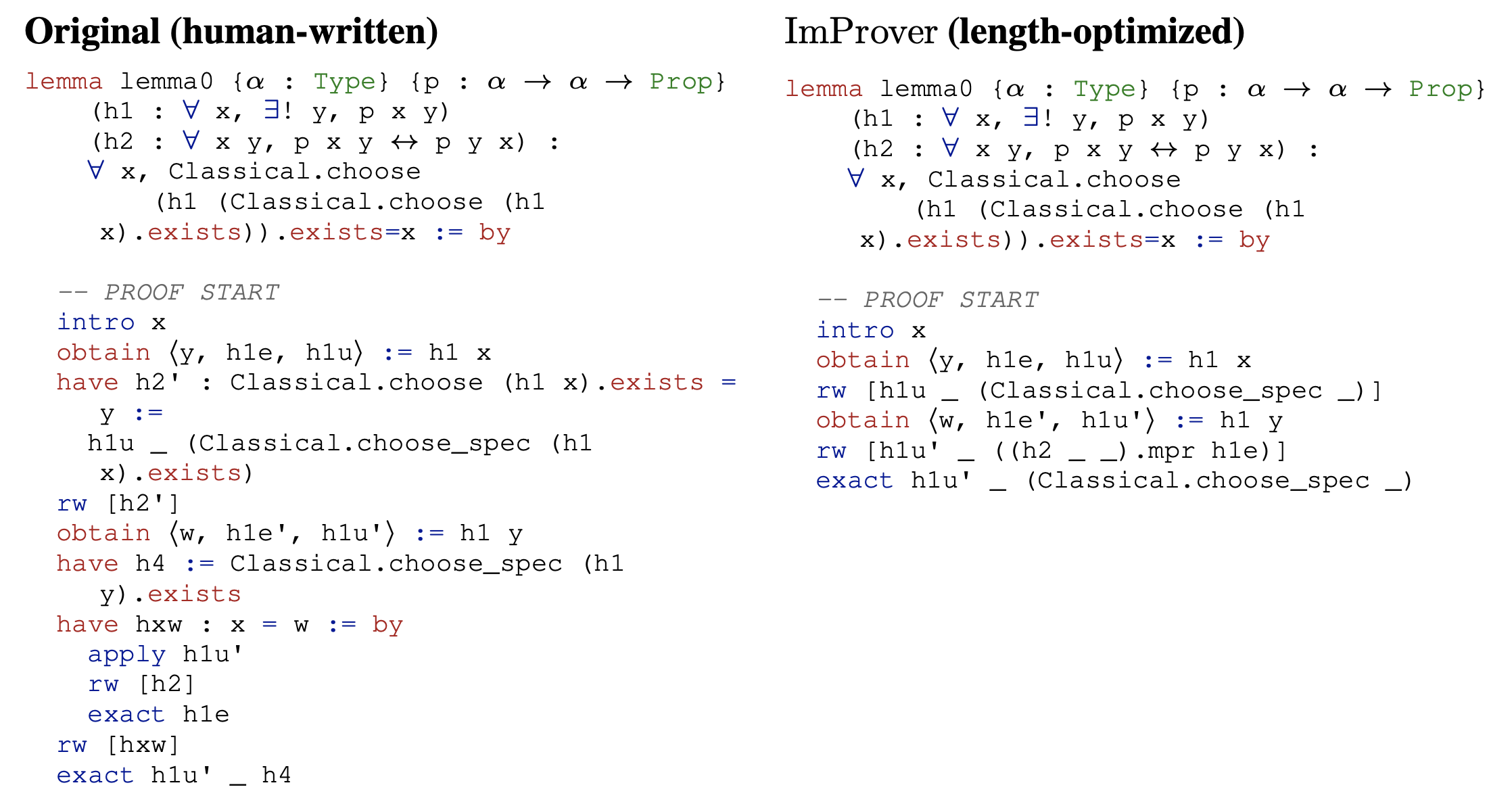
Interactive theorem provers such as Lean 4 check the correctness of mathematical proofs, but having it communicate with outside programs (solvers, computer algebra systems, unverified coding languages, you name it) is a challenging engineering problem. I created a tool to automatically translate between Lean and arbitrary external DSLs to allow outside programs to be used for proof automation in Lean.
Take a look at the paper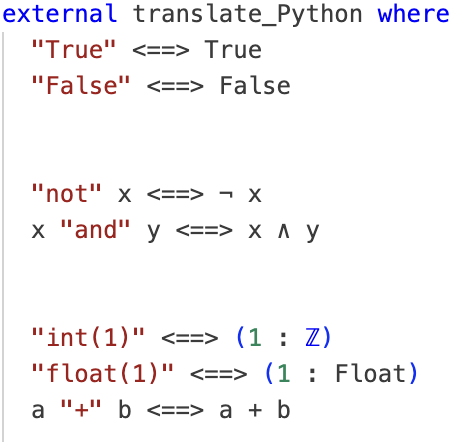
I've found that the most interesting applications of science are those with real-world impact. My team and I worked with the maintainers of Pittsburgh's public riverfront trails to analyze and predict traffic patterns to help maintainence and future expansion.
About our organization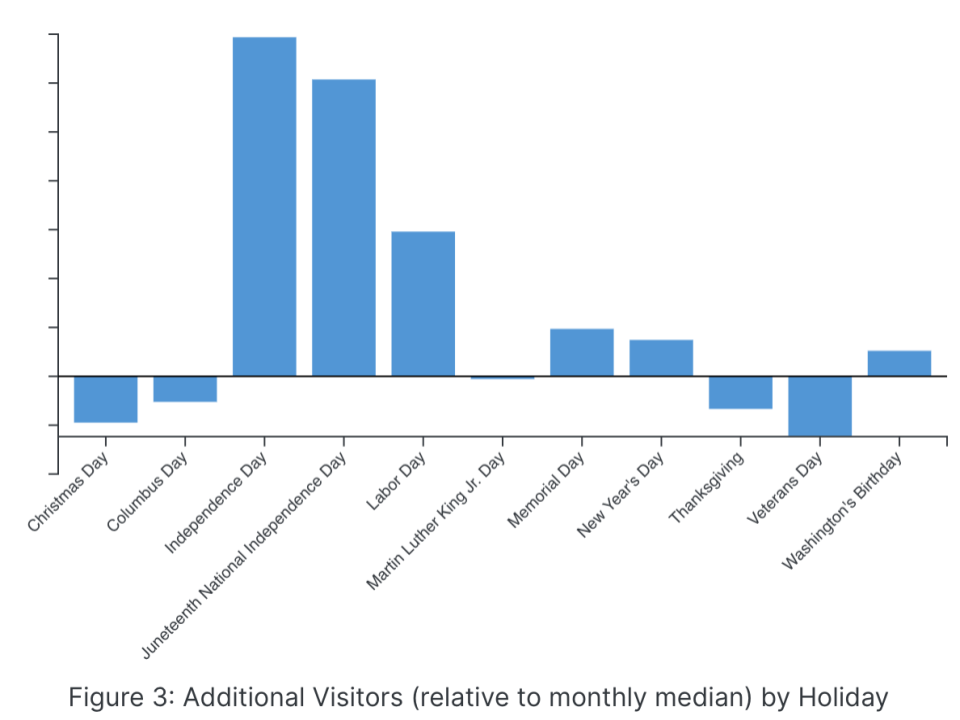
Myself and a co-author identified a new form of jailbreaking attack in large language models, and analyzed its effects on models' reasoning. We presented out paper at AAAI 2026 in Singapore.
Read the details